China's earthshaking inventions include paper
gunpowder, wheelbarrow and the kite.
Can you name a couple more?


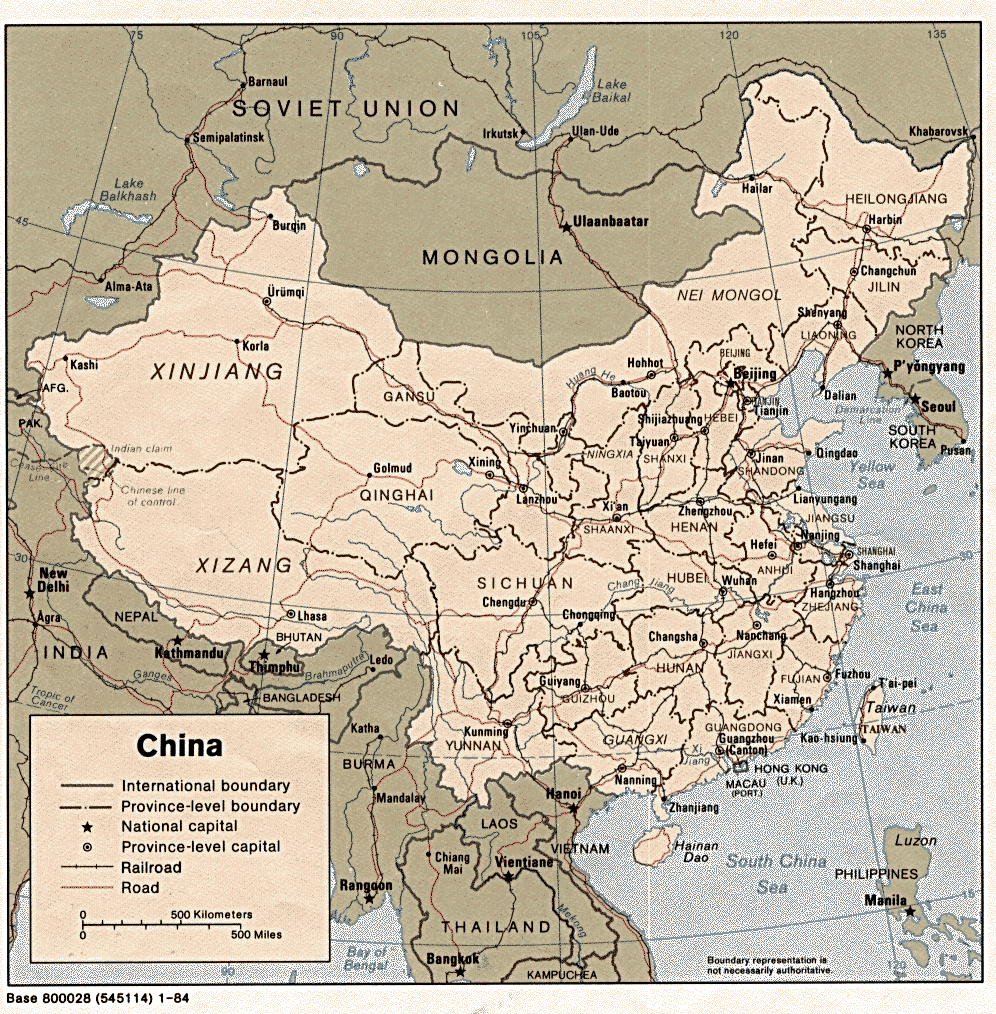
And down south is Guangxi
|
|
Chinese is a fascinating, unique, and extremely rich language. Counting roughly 1.2 billion native speakers, it is the most spoken language on earth. Not only this, but the rise in China as a global superpower is making it an increasingly significant means of communication for people in Asia and beyond.

What is that red dot city up in the north?
|
|
Stat: 300 million rural Chinese will move
to cities in the next few years.
and
China has 320 million people under the age of 14.
More than the entire population of the United States
Maplandia for China from GOOGLE
China Google Satellite map that maps China locations. Maplandia.com enables you to explore everywhere in China through detailed satellite imagery - fast and easy as never before.

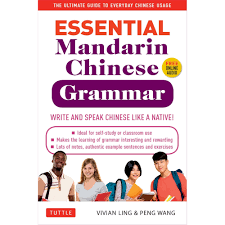
Basic Chinese Grammar. A great resource.
 
Watch to learn Chinese/Videos
 
ClearChinese.com: Learn Chinese here
A rich site with lots of resources
Dig the well before you are thirsty. Chinese Proverb
Chinese Characters Visual Dictionary
CloudNet Resources and Lesson Plans for Chinese
Chinese Online links by GOOGLE
Quick Fix Essential Phrases in Chinese
Chinese/Way to Go
Zwongwen/Learn Chinese Characters
 BBC - Languages - Chinese BBC - Languages - Chinese
A "Do it all" site from the BBC/Very Rich!
Hua Zhong Wen
Just another fun way to learn Chinese

How many of these cities have you visited?
Now close your eyes and try to name ten.

Clavis Sinica
Chinese Reading and Reference Software



"Fear those who are afraid of you"
The Ultimate Mandarin Learner's Toplist
BING multiple site finder for learning chinese
Learn Chinese Characters
Learning the Chinese symbols and Chinese writing
Chinese Characters / Zhongwen.com
Chinese Character Stroke Order and more
Chinese Writing
Chinese Pear Stories
GOOGLE on Defining Chinese Characters
You Tube Survival Phrases#1
Free Chinese Lessons
Understanding your Chinese zodiac sign

Chinese-Tools
Chinese learning material, tools and resources, forum and language exchange club / Loaded Site
 
Lots more great sites below
Sinoling.com
Chinese Language Symbols
Chinese Text Sampler from the U. of Michigan
Chinese Dialects & Calligraphy
The 3,000 Most Common Chinese Characters
The Music of China

74 random facts about China
L. Caplan-Carbin's Chinese Lang Sites/Nice!
China Orbit
Chinese language study network by NJStar
Many useful categories and links
Stay current with the latest trends and developments
Top 100 Chinese Websites
<-A new website for you to explore BY ALEXA>
Chinese Teachers on FACEBOOK
Facebook helps you connect and share with the people in your life.
China Shapes the World
A new FT series examines the growing influence of China and its impact on economies and markets around the globe. FT correspondents on five continents write about the financial, military, diplomatic and cultural dimensions of the country grise, with video reports and interactive graphics..

Chinese Listening
We provide a lot of chinese listening materials
Learning Chinese
Chinese Language Resources
 Baidu/#1 search engine in China
The leading Chinese language search engine, provides "simple and reliable" search experience, strong in Chinese language and multi-media content including MP3 music and movies, the first to offer WAP and PDA-based mobile search in China.
Free Online w/English and Pinyin Symbols
Want to learn Chinese using Pinyin? Review the following cards, then click on the link below to take the quiz


Chinese Top 100 Rankings
The top 100 websites based on an online vote
  ---- ----
The Chinese Languages by DK Jordan
Gateway2China

China In Depth
FT Home / China in the World
People's Daily in Chinese

Xinhua launches CNC World English channel
China News - Inside China Today
Chinese News via MSN
GOOGLE News for China in chinese
CND China News Digest
Inside China News/A rich resource
Chinese Language Directory Online/Very Rich! A great resource.
Learning Chinese On-Line
Chinese Words Database
IGCS/Internet Guide to Chinese Studies
Travel to China with Jim's Travel Page
Lots more sites in addition to these below.
China Tourism Video
Visit China via YouTube.
This is China
From YouTube: China has one of the world's oldest people and continuous civilizations, consisting of states and cultures dating back more than six millennia. It has the world's longest continuously used written language system, and is the source of such major inventions as what the British scholar and biochemist Joseph Needham called the "four great inventions of Ancient China": paper,the compass, gunpowder, and printing.
China Private Tour
Private guide and vehicule all customized.
China City Guide
Choose a city on the map and this site will provide lots of information on that city.


WorldWise Travel Quiz on Beijing via National Geographic

Now take the same quiz above on Shanghai
Hear Chinese Survival Travel Phrases

A bridge to China/Adventure Travel
The Mulltiple Faces of Shanghai
The Chinese Writing System
The History of Chinese Writing
Chinese Characters and Culture
Chinese Computing
On-line Chinese Tools/A loaded site!
Cantonese: Cantonese is spoken by about 66 million people mainly in the south east of China, particularly in Hong Kong, Macau, Guangdong, Guangxi and Hainan. It is also spoken in Malaysia, Indonesia, Thailand, Singapore, Philippines and among Overseas Chinese communities in many other countries. In many schools in Hong Kong and Macau, Cantonese is the medium of instruction, though the students are taught to read and write standard Chinese, which they read with Cantonese pronunciation. Cantonese is also the main language of business, the media and government in both Hong Kong and Macau.
And another Video Lesson for Cantonese
Cantonese Language and Culture
Cantonese Lessons

Google on Cantonese

Learn Cantonese
Cantonese Dictionary
Phrasebook in Cantonese


Helpful Miscellaneous Links
|
Learn Chinese Links
Learn Mandarin Chinese quickly and easily!
40 online lessons with audio, including reading, speaking, writing, modern vocabulary, grammar, calligraphy, examples and exercices. All texts and dialogs in mp3 format for download.
China websites organized by topic into categories.
ESL Teaching Jobs in China
Currency Convertor for the Chinese Yuan Renmibi
By OANDA = free currency exchange information
Chinese Internet Sites from Brooklyn College/Rich!
Fact Monster on China
A great collection of photos of China
\
Linguistic Funland for Chinese
FL Teach Chinese Sites/Rich!
Planet Ware's China Tourism Site
 
Ni hao books, DVDs and Videos for children
Teaching and Learning Chinese: from Kenyon College
Abacus Chinese Translation Services
Tepa Online/China = multiple sites
Chinese-All.Com
Play games IN CHINESE/Chinese Checkers against the computer
Play Vocabulary Learning Games in Chinese
Numbers, Days, Fruit, Colors, Animals and Vocabulary
The Complete Reference to Web Sites of Chinese Games
The Complete Reference to Web Sites of Chinese Games (Chinese Board Games, Playing Cards, Computer Games, and Others)
Chinese Checkers Live Online
Games in Chinese

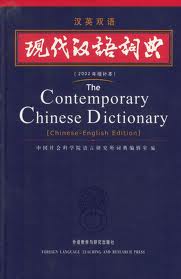
WordReference Chinese Dictionary
A helpful resource
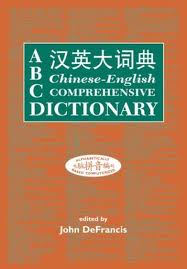
Chinese-English Dictionary from Clear Chinese/Nice!
Chinese - English Dictionary
OneLook Dictionary Search
Chinese-English Dictionary/Rich!
Learn Chinese Characters + Dictionary"
Multiple Chinese online dictionaries
English to Chinese online Dictionary
Your Chinese dictionary
Chinese-English etymological dictionary

 Chinese Yahoo
All about Shanghai
Get a Chinese Name Now

Touch Chinese
Learn Chinese Online With Fun, Culture, Classroom, Leisure and more...
China Quiz from National Geographic
How much do you know about China?
Quiz about China - Test Your Knowledge
Ancient Civilizations - China Quiz
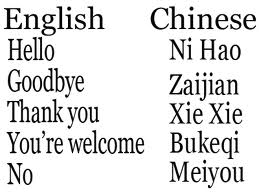
So how did you do? How about taking all of these quizzes over again? Xie Xie.
Tours in China
Maps/Geography/Hotels
China Travel Guide
Travel China Guide is the largest online tour operator in China
China Travel Tips, Clothing, Baggage, etc.
Do you want to have acquaintance with this country and know her special charm?
Chinese Culture for tourists
Chinese Culture, China Facts, Art, Customs and more
China Scenery
China has beautiful scenery, not only
natural beauty, but also artificial miracles.
Travel in China w/help from GOOGLE
Chinese Culture and Art

Beijing Travel Guide
The Many Faces of Beijing
City guide for Beijing

Another large map of China
Country information on China/Rich Site
China Tour
China Travel News and Information Loaded with helpful links
China: A Country Study
ChinaPictures.org
China Travel Guide
China travel guide to cities

Super Chinese Site-Cal State Listing
Chinese Tools Forums
Chinese-forums.com is an online community of people with an interest in Chinese language and culture.
Country information on Taiwan
Taiwan Ho!
12 Taiwan Newspapers

US-China People's Friendship Association
China Today/Rich Site!
Here Are Some Kids Songs In Chinese
Many traditional Chinese songs here
China On-Line
Play the Chinese National Anthem
ChinaSprout - Educational Products
  
 Jim's Travel Page including China Jim's Travel Page including China
Welcome to Hong Kong
 Can I give you a lift? Can I give you a lift?
|
GOOGLE on Hong Kong
Discover Hong Kong
Introducting Hong Kong
Visiting Hong Kong
Wikitravel takes you to Hong Kong
An array of sites on China and Hong Kong


Maps of China
|
|
World of China Maps
A wide variety of maps of China
Multiple Maps of China

Maps of China
China's Geography
Geography of Ancient China
Chinatown OnLine
Los Angeles Chinese Lrng Ctr Websites
And a 3rd on Heritage Sites
Objectives
Help from Yahoo on the Chinese Language
Travel China Picture Guide


Hutong School
Hutong School gathers people with a real interest in China. Although the Middle Kingdom is quickly changing into a critical hub of the modern world, traces of its ancient history still remain.
Study Mandarin with Yao: 30 days for learning the basics
Study in China from 1 month to 1 year
Live the Language
Live the Language Mandarin School specialises in offering full immersion Chinese Language Courses in Beijing. Ranging from two weeks to a full academic year (two semesters), they include Home Stay Options, learning Kong Fu in Chinese and intensive Mandarin Classes. Upon completion of the course free internship placements with Chinese Companies in a full Chinese Language environment are offered.

Internship in Beijing
GOOGLE help for Study in China
Internet Guide for China Studies
Chinese Language Assoc for Elem and Sec Schools
Great Chinese Site from Cal State
Multiple Sites on China and Chinese
|
Yellow Bridge
Chinese Tools
Thinking Chinese Links
China Links print version 'Cause we have to share it al' No sponsored links here, only websites that our site staff (along with numerous students of the Chinese language and culture) have been assisted by.
Audio pronunciation, flashcards, pinyin assistance
Handwriting recognition
Multiple Web Sites on China: Shambles
Index to Chinese Periodicals
Help from YAHOO on Chinese
China Unique
Chinese Children's Books
List of World Heritage Sites in China
China has 40, ranking third in the world.
Chinese Cultural Arts and Crafts
 
China National Tourist Office/Rich Site and well done!
Land/People/Economy and more/Rich!
All about the Great Wall of China
Chinese Culture Homepage/Yutopian
Top Ten Yutopian Sites from 1,400 pages
Chinese Culture Center of San Francisco
Chinese Culture Choices
GOOGLE on Chinese Culture and History

FT series in depth as China Shapes the World
China View/Publicize China & Report the World
This is a cool site/colorful and loaded
NEWSPAPERS
South China Morning Post International Edition
People's Daily in English
People's Daily in Chinese
People's Daily Website
Surf China
China News Digest
China News Digest in English
Huffington Post on China NEWS
Shanghai Daily Newspaper
China Daily
H.K. Standard
S. China M. Post
Daily news in Chinese from Lianhe Zaobao
Today's News from China
 Don't miss this classic video Don't miss this classic video
Two dogs dining in a busy restaurant.
Funny Faces
Some are happy. Some not so happy.

 

Can you comprehend this sign?
|
|
|

Me, I can sing the "March of the Volunteers" in Chinese
Now listen to the anthem in Chinese and English
renren.com

163.com
Tianya
Beijing Normal University
Beijing Scene Magazine

Learn Mandarin
More than just a language
The 10 best free resources for learning Mandarin Chinese
100 top resources to learn Mandarin Chinese
Making Mandarin Fun and Easy on Chinese Pod

Fun Mandarin Chinese
Exactly as it reads...fun with sound
The Ultimate Mandarin Learner's Toplist
Mandarin Portals

Learn Chinese Now
This website is aimed at providing people who want to learn Mandarin with the online resources

Learn Chinese on YouTube
Mandarin Videos from ActiveChinese
Chinese Phrases for Travelers and Beginner Student/with sound
Online English Chinese Dictionary
Learn Mandarin Online here
Learn Mandarin Online/Multiple Sites

Learn Chinese / Learn Mandarin
Real Chinese
Mandarin Chinese in 10 short parts with video clips from the Real Chinese TV series.
Effective Language's Mandarin Chinese

Visual Mandarin
Learn Chinese w/videos, podcasts and interactive exercises
Day Day Up Chinese
This site presents basic and intermediate Mandarin Chinese lessons for you to use for free

Mandarin Tube
A platform for learning Chinese online, we provide many dynamic
mandarin courses, Chinese knowledge and tools.
Mandarin: the Language
Reading in Mandarin
Online Chinese Site w/Sound
Mandarin Chinese for Business and Travel / Be sure to check out this new site.
Links by Quick Mandarin
Many helpful sites with explanations
Practical Chinese Reader Self-Test/A
Speaking Mandarin
Writing in Mandarin Chinese
National Character Set
Mandarin Teachers & Depts.
General Resources for Mandarin Chinese
Mandarin courses on line
Google on Mandarin Chinese
You Tube Mandarin language Videos
A wide variety of videos for learning the language
The Mandarin Review
We are a boutique consultancy built around helping you to answer the following questions: What is the best way for me to learn Chinese, and what do I need to know to function well in China, either as a student in an immersive educational setting, or as a partner, client, or colleague of Chinese counterparts?
377 activities for learning Chinese
Many games for learning the language
These include reading, quizzes, animals, numbers, flashcards and much more.
 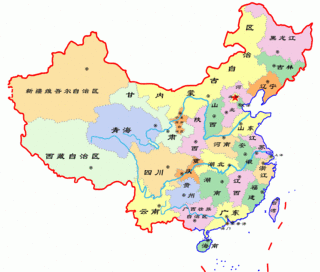 

Maps of China
Dozens of them
Relief, political, satellite and more.
A Super New FIND
Quizlet Chinese Drills
Vocabulary exercises and quizzes on many aspects of the language.
Learn Chinese via YouTube
8,030 results!
Translate English into Traditional Chinese
Translate English into Simplified Chinese
A Great Map of Interactive China
Russian-Bar Acrobatic
A performance on the Russian Bar, recorded for Chinese television at the Circus Festival of Monte Carlo.The final stunt is unbelievable!
A Must See Site
Amazing Young Chinese Girl Plays Piano With No Fingers On One Hand (VIDEO).
ChinaSite.com
The Complete Reference to China/Chinese-Related Web Sites.

Pinyin Practice Tone Activities
Listen to the sounds by clicking on the Pinyin or the speaker symbol (visible when "show pinyin" is not selected). Enter the pinyin of the sound you hear. Follow each syllable with its tone number (e.g. chi1fan4) -- lowercase and no spaces, use 0 for neutral tones and "control+u" to input "ü".
Thinking Chinese
So you are interested in China and have been studying Chinese language for a while, but still feel there is a foreigner flavor in the way you communicate and comprehend Chinese? Thinking Chinese provides you an extra touch, allowing you to obtain a better understanding of Chinese thinking.

News San Cai
San Cai is an ancient traditional Chinese concept of the "Three Realms": Heaven, Earth and the Human World. News San Cai aims to rediscover the traditional values and culture of ancient China and the West; to bridge the past, present and the future, and to pass on the essence of both Chinese and Western traditional culture.
A Chinese Text Sampler
An Annotated Collection of Digitized Chinese Texts for Students of Chinese Language and Culture.

Jukuu
Write English with confidence with the program that gives many uses of individual words.
Sina Weibo
Sina Weibo is a Chinese microblogging site, similar to Twitter, launched by Sina corporation, China's biggest web portal, in August 2009.
 Tips for nother Language Tips for nother Language
From ie language / a great site
This Is China
A YouTube Presentation. A nice film with chinese sound music.
China has one of the world's oldest people and continuous civilizations.
s
Arch Chinese
An online Chinese character learning tool for Mandarin Chinese language learners. Designed from the start specifically for English speakers who have no or little knowledge of Mandarin Chinese


I am stirring up some new Chinese vocabulary words

|
-
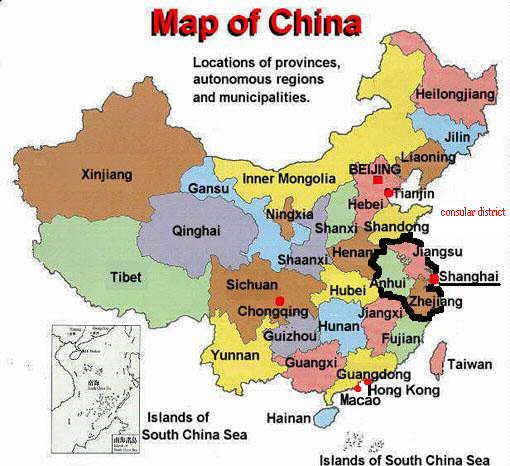
Students of the language, study this map for a full minute. Time it. Memorize as many provinces as you can. Write down as many as you can remember. Better yet, How many you can say aloud. How did you do?
-
The Best Chinese Language Websites
Google rates this site in the top ten
-
All the Very Latest News From China

-
All about Huawei
-
The 10 best free resources for learning Mandarin Chinese

-
Well known Chinese Proverbs Sayings and Quotes
-
30 Cool Facts About China
-
And here 100 more interesting & fun facts about China
-
Shanghainese
The Shanghainese language, also known as the Shanghai dialect,
Hu language or Hu dialect, is a variety of Wu Chinese spoken in
the central districts of the City of Shanghai and its surrounding areas.
-
China Today. Dozens of great sites.
-
Dozens of photos of historic sites in China.
-
The Best Views in the World Worth Traveling For

-
MUZZY - in Chinese
My students wanted to watch Muzzy once a month
-
Top 10 Chinese Pop Songs in History
-
China Top 100 Songs
-
Chinese Core 100 Word List
-
What is life like for people in China today? A video
By Edward Steinfield of yellow University

-
China Daily Newspaper US Edition /The Latest News
-
Christian The Lion - Reunited - From "The View"
-
A new discovery just for you. Many sites on one link.
-
Languages of the World
Neat site. You choose the language and you can take a quiz.
-
Great new discovery. 13 sites for learning Chinese on one link
-
The Chairman's Bao
The World's Leading Mandarin Learning Resource.
Deep doubts, deep wisdom: small doubts, little wisdom. Chinese Proverb
-
FluentU
FluentU is Mandarin Chinese immersion online
-
Welcome to Chinese Voices called Clavis Sinica
A collection of mini-essays with mp3 audio for students of Chinese language and culture.
-
Arch Chinese
Arch Chinese is a premier Chinese learning system crafted by Chinese teachers in the United States for Mandarin Chinese
-
Now take a YouTube visit of these sites online
-
We hone in now on World Heritage Sites of Guilin and Yangshuo
-
10 Craziest Engineering Projects in China
-
Amazing Scenery of China
-
Let's Go to China - Beautiful Destinations
-
A Journey Down the Yellow River - A video
-
Top 10 Sites in Xi'an, China - Terracotta Warriors
-
Top Ten Things to See in Chengdu - A video
-
Now let's visit the Panda Research Center live - A variety of choices
-
Top 10 Popular Chinese Songs 2017
-
The World's Most Famous Chinese Song - Mandarin.
-
1. China from above. An aerial view. I loved this video.
20 provinces and cities; four seasons traveling across China.
-
2. National Geographic - The Great Wall of China - Documentary
This is a little long but it is well done with lots of facts on The Great Wall.
-
3. Now view the largest dam in the world
The Three Gorges Dam is a hydroelectric dam that spans the Yangtze River by the town of Sandouping, located in Yiling District, Yichang, Hubei province, China. The Three Gorges Dam is the world's largest power station in terms of installed capacity (22,500 MW).
-
The Chinese Language and how to Learn it: A Manual for Beginners
-
The 10 best free resources for learning Mandarin Chinese
-
Five free Chinese podcasts you should be listening to
-
Chinese Boost Articles
-
Learn Chinese Online: 67 Excellent Free Resources
-
Benny's Top Resources for Learning Chinese
-
Top 10 Websites to Learn Chinese For Free
-
Best Websites For Learning Mandarin Chinese
-
The Many Faces of China. Dozens of them.
-
The National Anthem of China

-
Tencent
Founded in November, 1998, Tencent, Inc. has grown into China's largest and most used Internet service portal. In its ten-year history, Tencent has been able to maintain steady and fast-paced growth by always putting its users first
-
Amazing Views By A Drone Over Hong Kong
-
And now A Bird's Eye View of Chongqing

-
A Robot Monk
A Robot Monk Captivates China, Mixing Spirituality With Artificial Intelligence
-
A Travel Through China
-
Time for a Tour of Beijing
-
Now for a long tour of Shanghai. 18 million inhabitants.
-
China National anthem Chinese & English lyrics
-
Chinese Tongue Twisters. Have fun. Can you say each one twice?
-
NEW 2015 Chinese Music EVER. The Best Chinese Song in 2015
-
The Best Chinese Songs in 2014. Enjoy.
-
Images of China. Lots of them.
-
Chinese Websites from Tumblr
-
Les Miserables: Do you hear the people sing
Sung by 17 Valjeans from around the world
Hope you enjoy this as I found it to be pretty awesome.
-
Learn Chinese Online For Free
A listing by Google to help you learn the language.
Try out several links and see what happens.
-
Top Chinese Websites in 2014
As expected, China's internet usage penetration has grown over the last two years since the last article. Currently, 46.03% of nearly 1.4 billion of the world's largest population in China uses the internet.
Here is a listing of the Top Sites. Can you guess a few first before you take a look? Yes, Baidu, then which ones? QQ maybe.
-
Chinese Quizzes and Games
This is a great new discovery and provides hours of fun
-
Most Popular Chinese-Language Feature Films
-
Beijing Travel Video Guide
-
Mongolia Travel Video Guide
-
A Day in Shanghai Video
-
An Aerial Tour of Xi'an China
-
Mandarin For Kids / Learn your colors here. YouTube

-
China.org.cn - China news, weather, business, travel and language courses
-
The State Council of the People's Republic of China

-
Global Times
-
Best Sites for Learning Chinese by Google
-
A Quiz on Chinese Mandarin
These online quizzes are based on the Mandarin Chinese content in the Transparent Language's Languages of the World program.
-
Chinese Guide to Japan
-
Traditional Chinese Guide to Japan

-
Learn Chinese in China

-
South China Morning Post
-
Global Times | China Edition
-
Chinese Phrases with sound for you to master
-
Chinese Outpost

-
Huawei
Huawei Technologies Co. Ltd. is a Chinese multinational networking and telecommunications equipment and services company headquartered in Shenzhen, Guangdong
-
[Guitar] Cha Sun Chong - "Our Kindergarten Teacher" {DPRK Music}
A site NOT to be missed.

-
Internet 4 Chinese Classrooms
Includes an easy-to-use dictionary with over 34,000 entries. Search by Chinese, pinyin, or English; audio pronunciation.
-
Multiple OnLine Chinese Resources
Gathered by Word2Word.
-
Damon McParland - Resources
A variety of links and additional sites.

-
Great Wall Chinese
Great Wall Chinese, a key project developed and operated by the Office of Chinese Language Council International, is a new Chinese teaching and learning system based on cutting-edge network and multimedia technology.
-
Wenlin - Links to other sites of interest for Chinese
-
Damon McFarland's Multiple Sites for Chinese
Iles School, Springfield, Illinois.
-
Baidu search for good Chinese Websites
A wide host of possibilities.
-
China Tourist Maps
A variety of helpful detailed maps of provinces and cities.
-
The Meaning of Happiness
A short video all in Chinese
-
A Fruit and Vegetable Market in Shanghai
Enjoy another video in Chinese. You can control the speed.
-
Chinese Hideout
A greats listing of major sites for learning Chinese jeb

-
My Languages
Dozens of great Chinese vocabulary builders and all with sound. This is one great NEW FIND. I think that you will really enjoy the variety too. Anyway, I sure did. jeb
-
Explore China via beautiful photos
You can even choose which parts of China you want to explore. It's a great new site. Enjoy.
-
Lingo Hut Presents
109 lessons with sound for building vocabulary. This is one very helpful link. jeb
-
Chinese Tools (many aids to language learning and teaching)
-
Best of Chinese Study Tools
-
Best 10 Chinese Training Schools in China
-
Concordia Langauge Camp for learning Chinese (youth)

-
Effective Tips for Learning Chinese Languages

-
HanBan.com
A great new FIND. Many resources including grammar, articles on Chinese, vocabulary and pronunciation.
-
Travel in China: Headlines and features
-
China News in Chinese
-
China News in English

-
China as never before
It's all here. Your plans to visit China. Shopping, Entertainment, Cuisine, Accommodations and much more. This is one great new FIND.

-
Tudou
A leading Internet video company in China providing premium licensed content, user generated content ("UGC"), and original in-house production.

-
Yabla for Chinese
The Most Authentic Way to Study Mandarin Chinese. Learn Chinese by watching authentic Chinese videos in a video player designed for language learners.
-
The NY Times has a new Chinese Edition
-
iMandarin - A leading Chinese language provider
-
A Brief Timeline of The Dynasties of China

-
China Daily - USA
-
Chinese Phrases and Common Sentences
This site contains a table including the following: Chinese phrases (Mandarin), expressions and words in Chinese, conversation and idioms, Chinese greetings and survival phrases or simply if you want to know what to say when chatting.
-
Cantonese Words and Phrases for Adoptive Parents
-
Top 10 Most Popular Websites in China
If someone asked you to name the top 10 websites in Amercia, most likely you could come up with a few or even most of them. Google. Facebook. eBay. Wikipedia. But could you name the top 10 in China? Well, here they are.
-
China Tour
China is just a click away.
w site w/sound too!
-
Yellow Bridge
Chinese Language and Culture.

-
Chinese help from the BBC
Learn Chinese with free online lessons
-
Starting a Chinese Language Program: Resources
Below are some of the organizations and materials that helped our schools to establish an exciting and thriving Mandarin Chinese program. We will add to this list regularly as we find more resources.
-
The most common Chinese characters in order of frequency
All characters are presented in falling statistical order with the most commonly used characters first.
-
How to Introduce Yourself in Chinese
Try to memorize the whole audio.Check out also: www.linguanaut.com for common phrases and alphabet.
-
The Most Used Expressions in Chinese
If you want to hear how do many phrases and expressions sound in Chinese then this is the right place for you, with Linguanaut you can learn for free, have fun!
-
English Phrases filled by Chinese Phrases Translated
-
Learn Chinese / CRIENGLISH
A great new site with radio, sports, travel, video and more.

-
Weibo
It's no longer accurate or fair to simply say "Weibo is the Chinese version of Twitter"."Weibo" is the term generally used to describe all micro-blogs in China, a market in which no one player has the almost total domination that Twitter has in the West.



-
Languages Online - Chinese Sectoin 01
Free resources for Chinese language teachers and students.
-
Learn Chinese Online for Free
Teaching Children Chinese has never been this easy. Now kids can learn to read and Learn Chinese Online using a dazzling new range of lessons supplemented with fun, exciting and enjoyable animations. This is one great new "find" and the sound enhances the resource. Be sure to give it a try.

-
Chinese for Smart Kids - Learn Mandarin
Via YouTube.
-
Chinese Food for Kids
Chinese Food has become very popular in the West and chances are you are already familiar with some popular Chinese food dishes: fried noodles, sweet and sour pork, lemon chicken there is always a Chinese restaurant nearby.
There are many different types and styles of Chinese cooking, so there will be differences between what you are used to at home as well as in the different regions you might be visiting in China.
-
Chinese New Year Symbols
Chinese New Year coloring pages make great mouse practice activities for toddlers, preschool, and elementary children.
-
Chinese Alphabet
You can now translate directly from written English to the Chinese "alphabet." Type English sentences and our computer will translate them to a Chinese "Alphabet." You can then print the translation or copy and paste it to your own document.
-
The Chinese Alphabet for Kids

-
Free Mandarin Chinese Flash cards
On semanda.com, you will find basic Mandarin Chinese flashcards and vocabulary exercises for children and beginners.


-
Global World
Discover China / Discover the World
A chinese news source.
 

-
Taobao.com
Taobao is a Chinese language web site for online shopping

-
Sina.com in English
Sina.com is the largest Chinese-language infotainment web portal

-
QQ.com in Chinese
Tencent QQ, generally referred to as QQ, is the most popular free instant messaging computer program in mainland China
-
Chinese Character Dictionary - Unicode Version
With Pinyin, Cantonese and English Look-up
Beihai Park in Beijing


Best Chinese Tutorial Sites
|
|
-
Mandarin Lessons
Sounds, Grammar, Vocabulary and more. Great site. Don't miss it.
-
Self Help Chinese Calligraphy Video Tutorial
-
Free Chinese writing lessons
Many of you have a thorough knowledge of written and spoken Chinese, but there has still to be someone wishing to learn the basics of this unusual writing... the secrets of Chinese characters, their history, their romanization and the elements that compose them. The following tutorial is meant to provide beginners all they need to write Chinese characters and find them in a dictionary, but can also amuse advanced students and the curious.
-
Videos of Chinese Tutorials
 
-
Conversational Mandarin Online



-
Learn Chinese Online with Chinese-Course
-
Mandarin Tools to Learn Chinese
Tempus Fugit : Carpe Deum

-
Free Videos to help you learn Mandarin/135 of them!
-
Learn Chinese daily dialogue in 5 minutes
-
Mandarin Flashcards & Vocab. Exer. for Beginners
-
Chinese Character Flashcards
-
ChinesePod
-
Chinese Character Genealogy
-
Chinese Character Tutor
-
Conversational Mandarin
-
Learning Chinese Online Page
-
Video Clips of Survival Chinese
-
Abacus Chinese Translation
-
Chinese Character Genealogy (Chinese-English etymological dictionary)
-
Chinese Media Guide
Embrace diversity, reject fear, and you'll enjoy life

-
Learn some Chinese in FRENCH
-
Zhongwen Red free lessons online
-
Learn Chinese in NYC
-
Learning Chinese on-line
Very Rich Site including Web Sites of the Month
-
Fluent Future/multiple Mandarin language videos
Fluentfuture is a community-based language exchange platform. You can learn Mandarin for free with sound. GREAT new find!

-
Chinese-Tools/Free Online Mandarin
Learn Mandarin Chinese quickly and easily! 40 online lessons with audio, including reading, speaking, writing, modern vocabulary, grammar, calligraphy, examples and exercices. All texts and dialogs in mp3 format for download.



With Jim's Homepage...
Shrek can leap over Donkey in 31 different languages!
====>
Go here for Jim's 31 Languages Homepage

 And with this site you can learn many more.

Some people have all the luck.
|
|
|
|
Chinese Festivals and Holidays
-
Chinese New Year Festival Greetings
-
Chinese Festivals

 
-
The Complete Reference to
China
About China, you name it, we have it! 8,500+ links to
China/Chinese related Web sites, and update everyday.
-
Baidu/Chinese Search Engine
-
QQ.com/in chinese
-
E-Bay now in Chinese/NEW
-
Chinese Character Test

Chinese Culture, Art and History
|
|

-
Chinese History for Beginners
Condensed China is an introduction to Chinese history. It exists to inform, enlighten, and attract netizens interested in China.

-
History of China
-
A Travel China Guide to History
-
Internet East Asian History Sourcebook
>

|
-
Chinese Food Website/ Lots of good photos


-
Yuan Xiao is a traditional food for the Lantern Festival in China.
-
 Chinese Food & Recipes/Rich site! Chinese Food & Recipes/Rich site!

-
AOL on Chinese Food in China/Rich Site
-
Chinese Food Recipes
-
Diced Chicken with Hoisin Sauce
  

-
A Taste of China: Recipes
<===============================>
Help From Google on Chinese
-
Google on Chinese Provinces
-
Google on Chinese Cities
-
Google on Chinese History
-
Google on Chinese Language
  .gif) 
Can you read these signs?
|
|
-
Games in Chinese
-
Festival Food - A Video
-
Google News in Chinese
-
Sina/China News in Chinese
-
Sina/China News in English
-
Q.COM (qq.com)

-
Sina.com

-
ifeng
-
SAT Subject Test in Chinese with Listening Practice
-
Chinese Character Flashcards
A Java applet to assist in the learning of Chinese characters. Currently the 1,000 most frequently used characters are in the database but I hope to add more as time goes on. Test your pin-yin and Cantonese romanization. Also shows English translation.
-
Clavis Sinica/Chinese Reading Reference
How many Chinese characters do you know?
-
Practical Chinese Reader Self-Test
California State University, Long Beach.
-
Inside China Today
EIN News is the news of the world
    
-
Check out Jim's Travel Websites
Everything you need to make your trip special jeb
 
-
Ambassador Passport and Visa Services, Inc.
Are you looking for a Visa to China? At Ambassador Passport and Visa Services, we can expedite your travel visa.
This dictionary contains over 40,000 entries. Each dictionary entry has this pattern : Chinese (traditional-simplified) - Pinyin - English. Pinyin is Chinese written in Western script.
-
Mandarin Pronunciation
-
Pinyin Information on Chinese

-
Our favorite online dictionary of Mandarin
-
GOOGLE'S Listing for Chinese Tests
-
Chinese Test
This online Chinese test consists of 40 multiple-choice questions. We suggest you allow 20 minutes to complete the test. You will find the correct answers at the end of the exercise. Good luck!.
-
40 short multiple choice questions
It is suggested you take 20 minutes to complete the quiz
 
Text to speech translator
A powerful and fun site with sound and a variety of voices/TRY IT!
* * * * * * * * * * * * * * * * * * * * * * * * * * * * * * * * * * * *

-
Chinese Music
A YouTube Presentation. 1,610,000+ visits / very popular.
-
How To Learn Any Language
In this case dozens of them. This website is made for people who love languages.
Recognize this scene?
|


 to help you learn Chinese


 Here you will find the most recently added sites
 Chinese Grammar Aids and Lessons
 Mandarin sites
 Cantonese sites
 Chinese Culture Sites
 Visit Hong Kong
 Travel to China
 Chinese Art
 > Chinese History
 Newspapers
 Let's Play Games
 Maps and Geography
 General Sites and Lessons
 Now Test Your Abilities in Chinese
 Chinese Dictionaries
 Sites in the Chinese Language
 Chinese Tutorial Programs
 Study in China
 Now Take a Quiz on China

 I love to speak Chinese





 Chinese Teacher Hints, Advice and Tips Right Here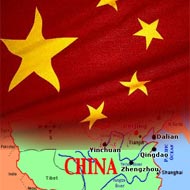





















 Taiwan











 Mama Lisa's World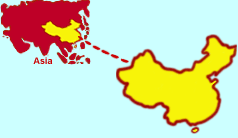



 .
. .
. .
. .
.
 If you would like to know the harder things about learning the language... go to:






 They don't care how much you know until they know how much you CARE] I hope that you picked up some ideas here that will aid in your total success. Have fun in your classroom. (ps I picked up these ideas in a recent dream and wanted to share with each of you) I'm 81 years ol now, but never too old to learn and never too old to share ideas. Best yet, why not be learning another language yourself? Check out one of the sites above. It is a great means to experience first-hand what your students are feeling. Now you are "walking in their shoes." Don't forget to have FUN doing it.Xie Xie.